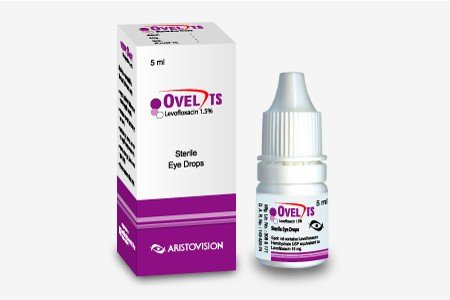
Revacin 1.5%1.5%
Type:5ml drop
Generic Name:Levofloxacin 1.5% Eye prep
Manufacturer:Reman Drug Laboratories Ltd.
Price:৳0.00
Indication
Corneal ulcer
Adult Dose
Ophthalmic Bacterial corneal ulcer Adults: Days 1 through 3: Instill one to two drops in the affected eye(s) every 30 minutes to 2 hours while awake and approximately 4 and 6 hours after retiring. Day 4 through treatment completion: Instill one to two drops in the affected eye(s) every 1 to 4 hours while awake.
Child Dose
Ophthalmic Bacterial corneal ulcer Children 6 year of age and older: Days 1 through 3: Instill one to two drops in the affected eye(s) every 30 minutes to 2 hours while awake and approximately 4 and 6 hours after retiring. Day 4 through treatment completion: Instill one to two drops in the affected eye(s) every 1 to 4 hours while awake.
Contraindication
Levofloxacin is contraindicated in patients with a history of hypersensitivity to Levofloxacin, quinolone, or any other components of this product.
Mode of Action
Levofloxacin exerts antibacterial action by inhibiting bacterial topoisomerase IV and DNA gyrase, the enzymes required for DNA replication, transcription repair and recombination. It has in vitro activity against a wide range of gram-negative and gram-positive microorganisms.
Precaution
This drug should not be injected subconjunctially, nor should it be introduced directly into the anterior chamber of the eye. Avoid contaminating the applicator tip with material from the eye, fingers or other source. Lactation: May be distributed into milk; use caution
Side Effect
Transient decrease in vision,Transient ocular burning,Ocular pain or discomfort,Foreign body sensation,Headache,Fever,Pharyngitis,Photophobia,Allergic reactions,Lid edema,Ocular dryness,Ocular itching
Interaction
Additive effects on QT interval prolongation w/ class IA (e.g. quinidine, procainamide) or class III (amiodarone, sotalol) antiarrhythmics, fluoxetine or imipramine. Reduced absorption w/ sucralfate, didanosine, antacids containing Mg or Al, dietary supplements containing Zn, Ca, Mg or Fe. Altered glucose levels w/ antidiabetic agents (e.g. insulin, glibenclamide). Increased risk of severe tendon disorders w/ corticosteroids. Increased risk of CNS stimulation and seizures w/ NSAIDs. Increased prothrombin time w/ warfarin.
Alternative brand of Revacin 1.5%
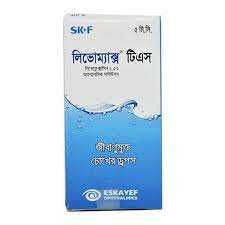 Levomax TS
- 1.5%
- Ophthalmic Solution
- Levofloxacin 1.5% Eye prep
Price: ৳130.00
Eskayef Pharmaceuticals Ltd.
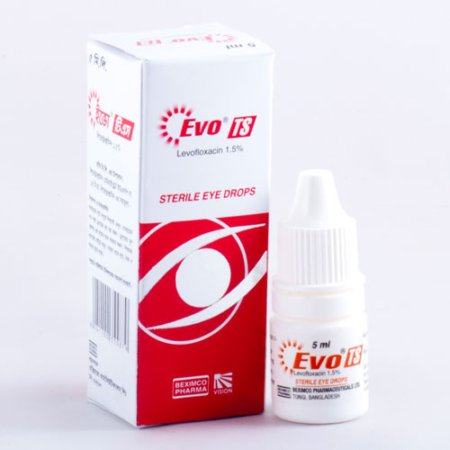
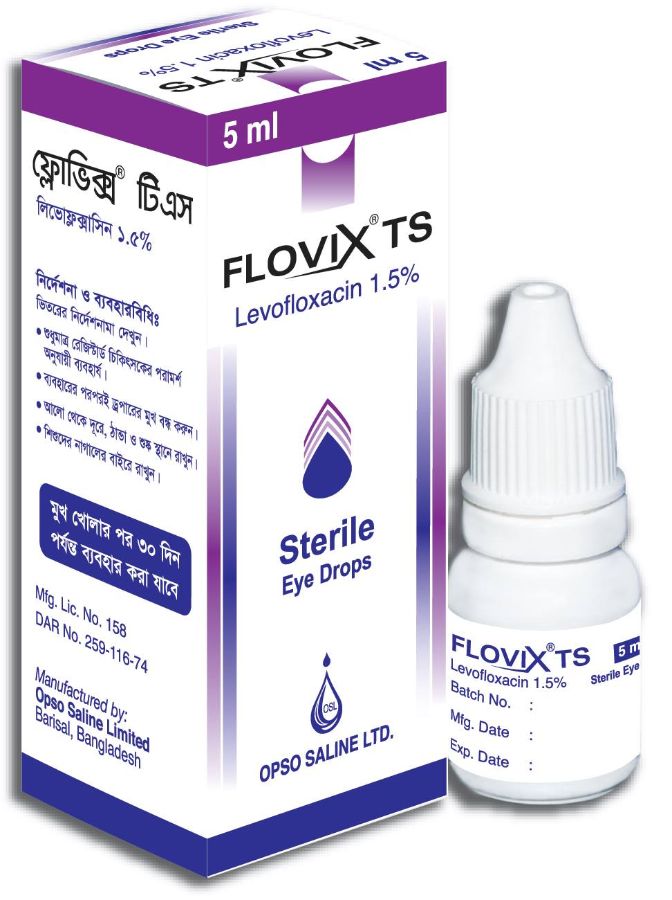
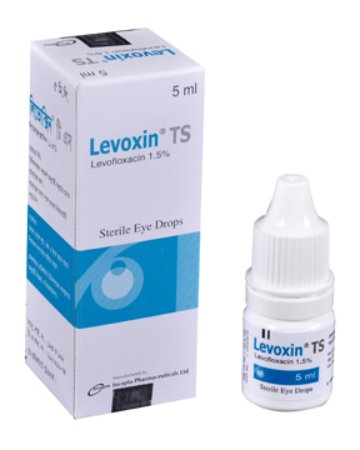
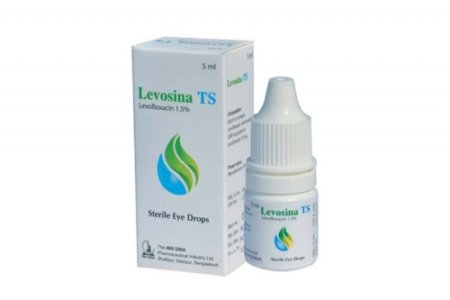 Levosina TS
- 1.50%
- Eye Drops
- Levofloxacin 1.5% Eye prep
Price: ৳130.00
The Ibn Sina Pharmaceutical Ind. Ltd.