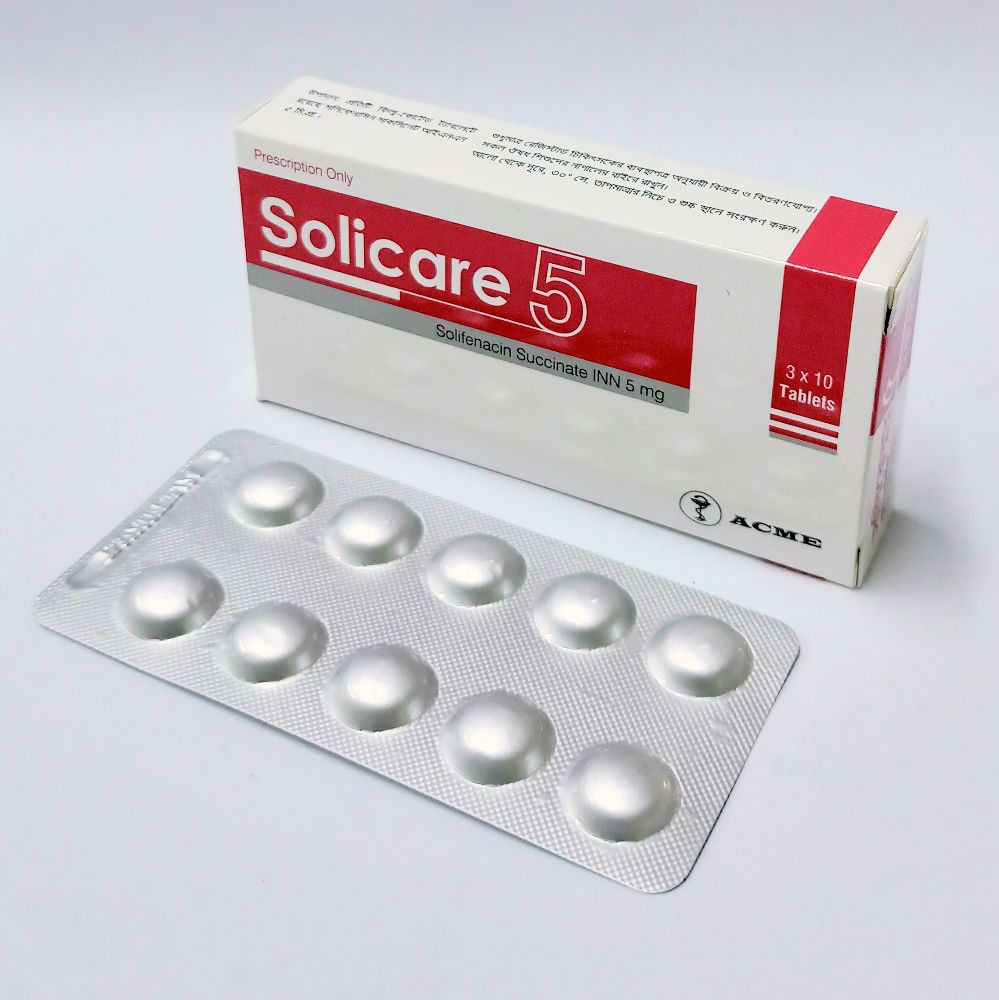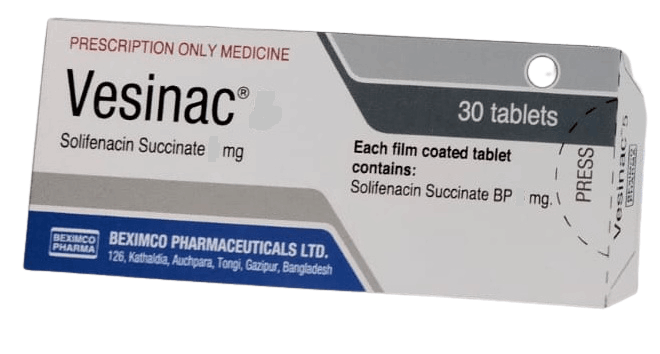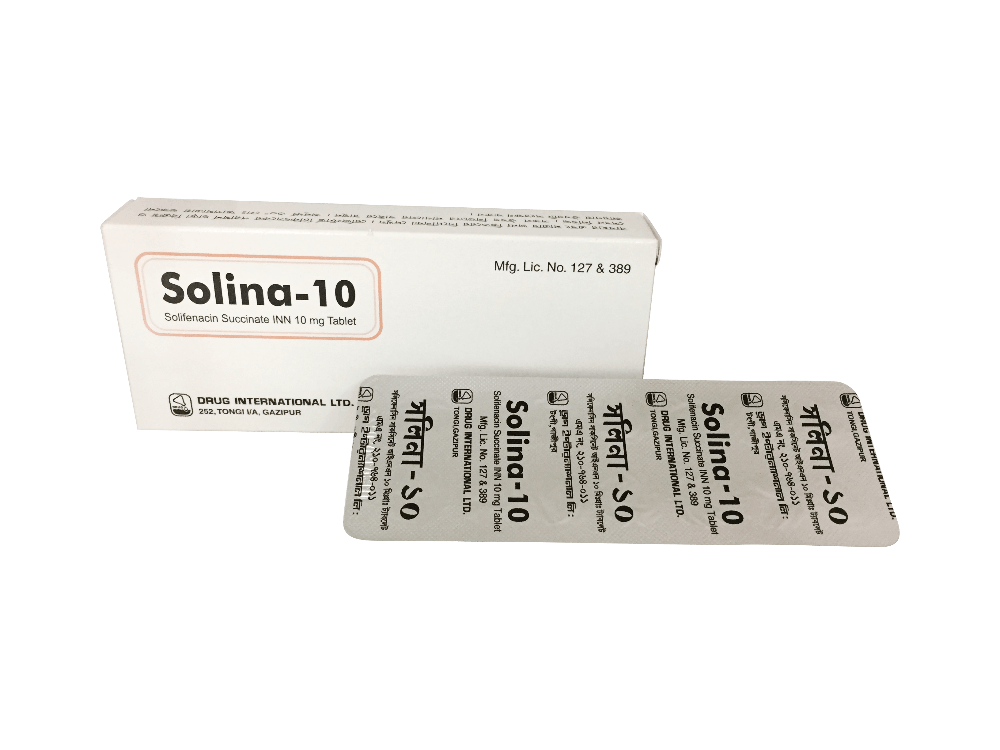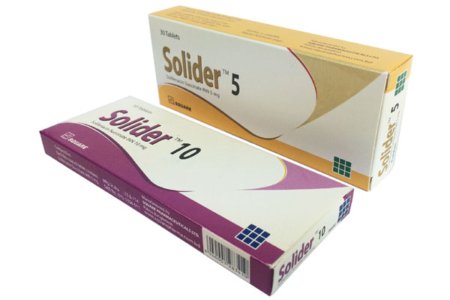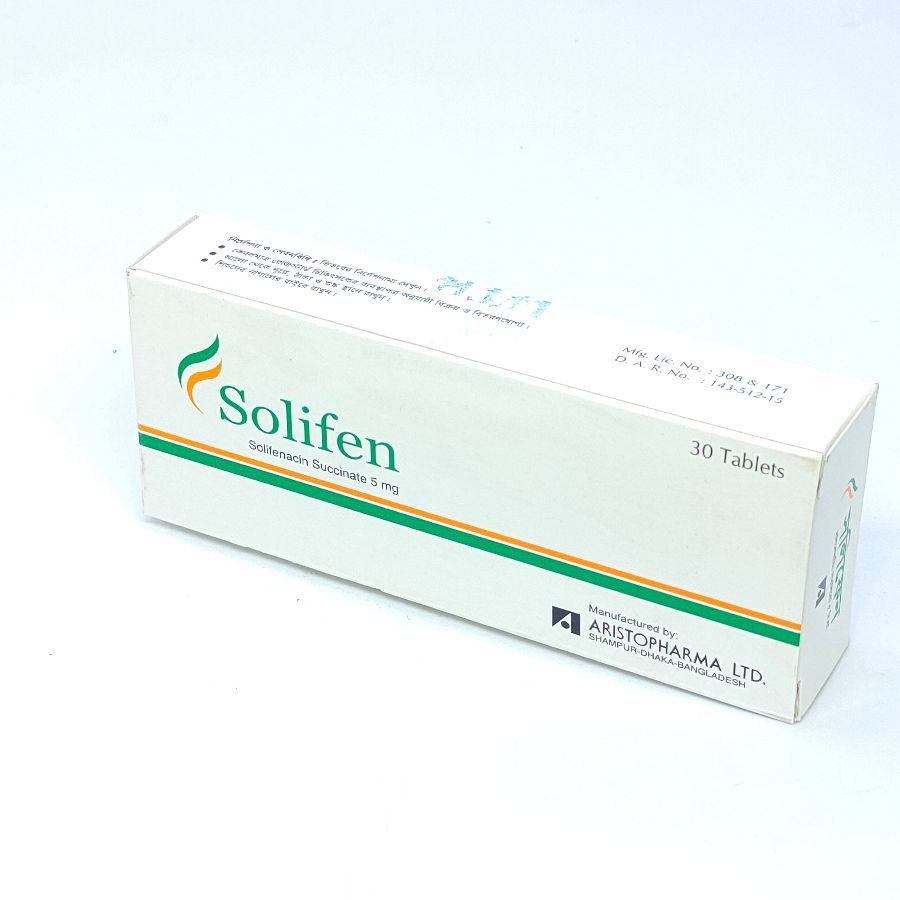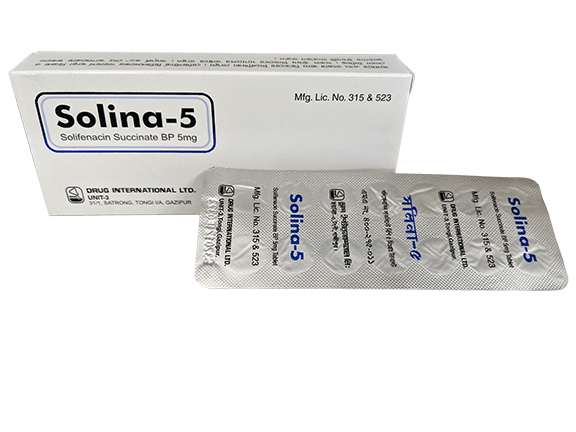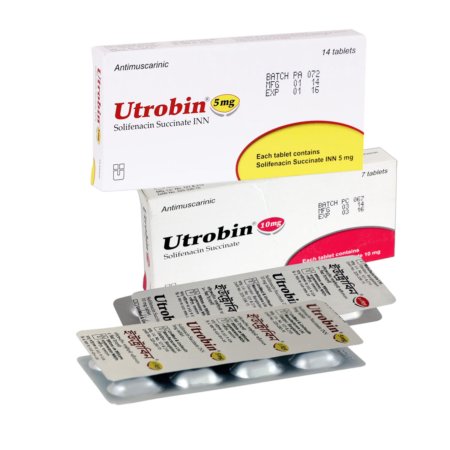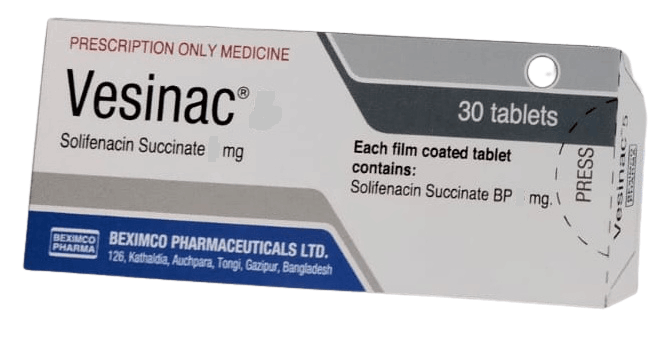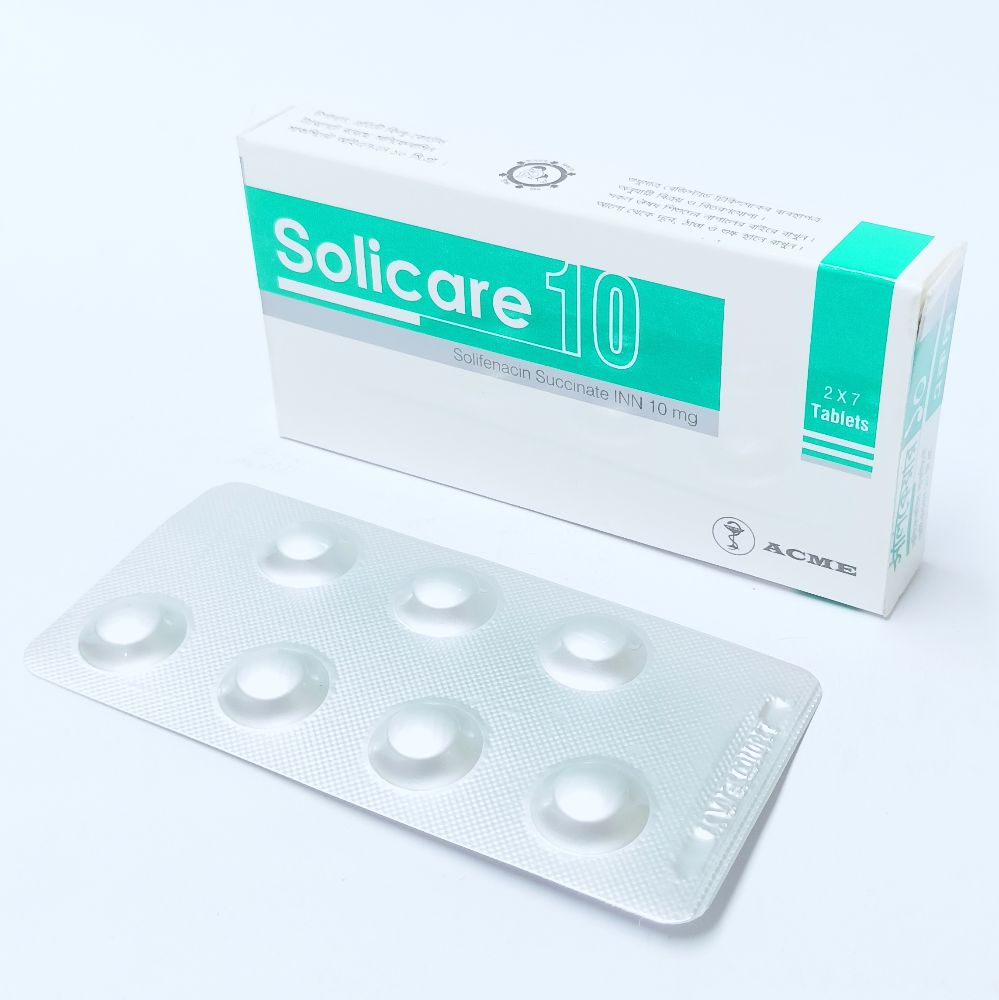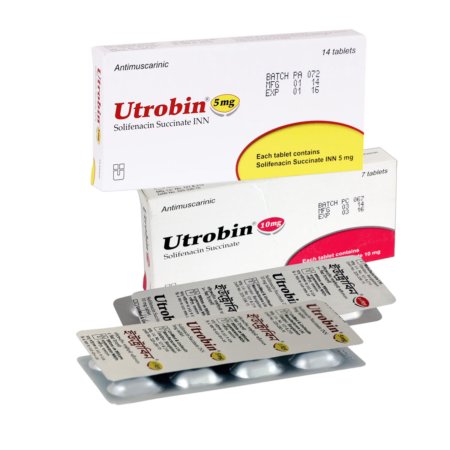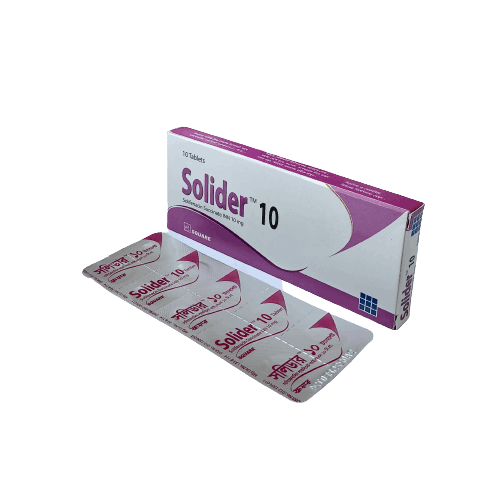
Solider 1010mg
Type:10 Tablets
Generic Name:Solifenacin Succinate
Manufacturer:Square Pharmaceuticals PLC.
Price:৳300.00

Indication
Overactive bladder
Administration
May be taken with or without food. Swallow whole, do not chew/crush.
Adult Dose
Oral Overactive bladder Adult: 5 mg once daily. If well tolerated, may increase to 10 mg once daily if needed. For patients who are concurrently taking CYP3A4 inhibitors (e.g. ketoconazole, ritonavir): Max dose: 5 mg once daily. Hepatic impairment: Child-pugh class B: Max: 5 mg daily; Child-pugh class C: Use is not recommended.
Renal Dose
Renal impairment: CrCl (ml/min) Dosage Recommendation <30 Max: 5 mg daily.
Contraindication
Uncontrolled narrow-angle glaucoma, urinary retention, gastric retention.
Mode of Action
Solifenacin is a selective M3 antimuscarinic that inhibits muscarinic receptors resulting in decreased urinary bladder contraction, increased residual urine volume and decreased detrusor muscle pressure.
Precaution
Increased risk of urinary retention in patients with bladder outflow obstruction. Caution in patients with decreased GI motility, GI obstructive diseases, controlled narrow-angle glaucoma, liver or kidney impairment, patients with known history of QT prolongation or other risk factors for QT prolongation. May cause drowsiness and/or blurred vision. Monitor serum creatinine clearance and liver function. Maintain adequate hydration. Increased susceptibility to heat prostration due to reduced ability to sweat. Pregnancy, lactation.
Side Effect
Constipation, dyspepsia, nausea, upper abdominal pain, xerostomia, hypertension, oedema, headache, depression, fatigue, urinary tract infection, blurred vision, cough, influenza.
Interaction
May interfere with the prokinetic effects of cisapride and metoclopramide. Potentially Fatal: May reduce the stimulatory effect of secretin. Concurrent use with biperiden, orphenadrine, procyclidine or trihexyphenidyl may cause anticholinergic effects such as confusion and loss of bladder control; a washout period of 1 wk between using these drugs is recommended. May increase the ulcerogenic effect of potassium chloride. Strong CYP3A4 inhibitors (e.g. ketoconazole, fluconazole, itraconazole, erythromycin, telithromycin, clarithromycin, ritonavir, indinavir, nelfinavir, nefazodone, aprepitant, verapamil) may reduce the metabolism of solifenacin, thus increasing its plasma levels.