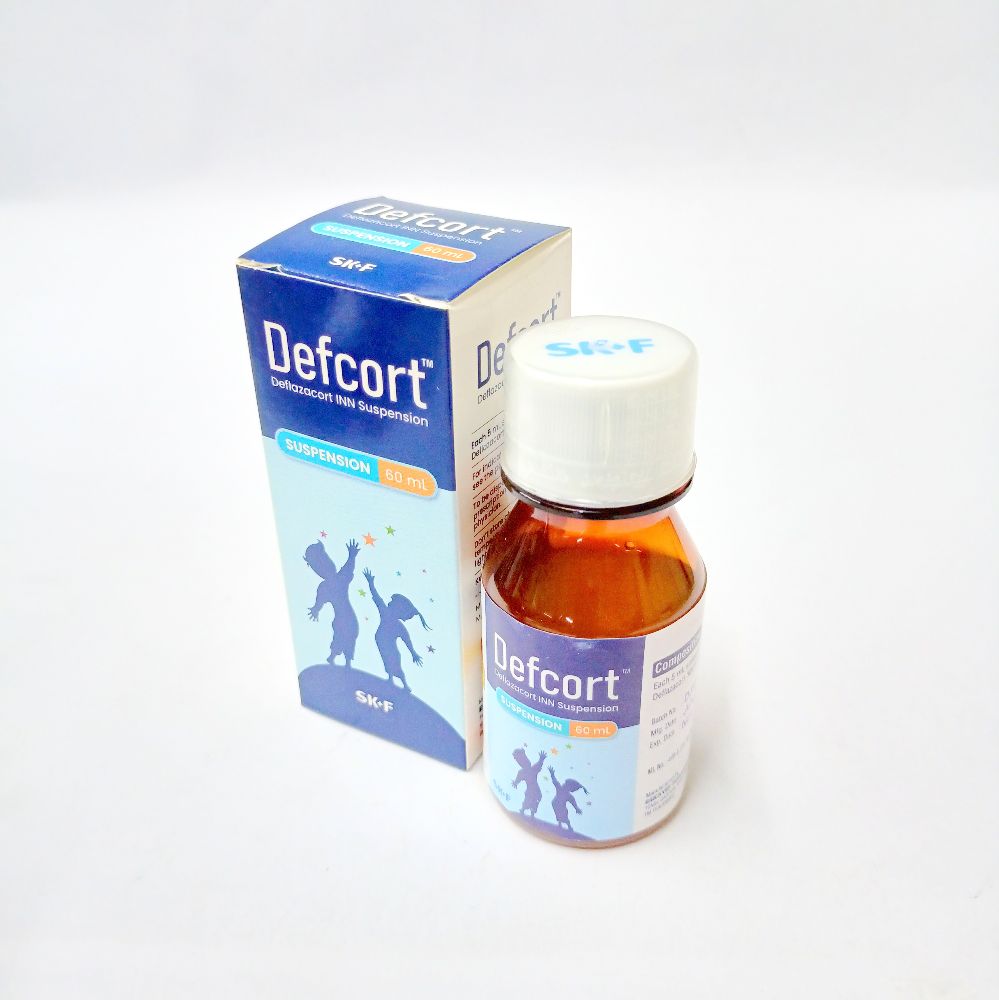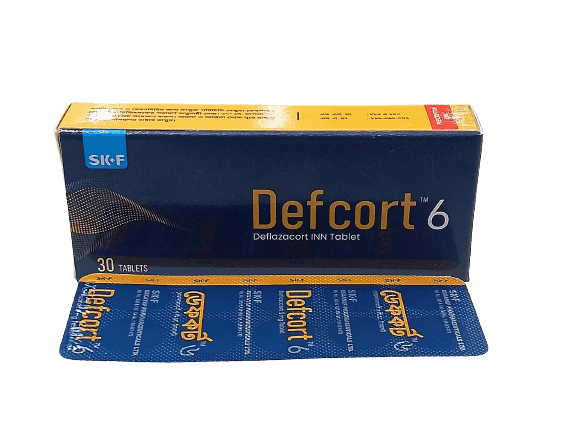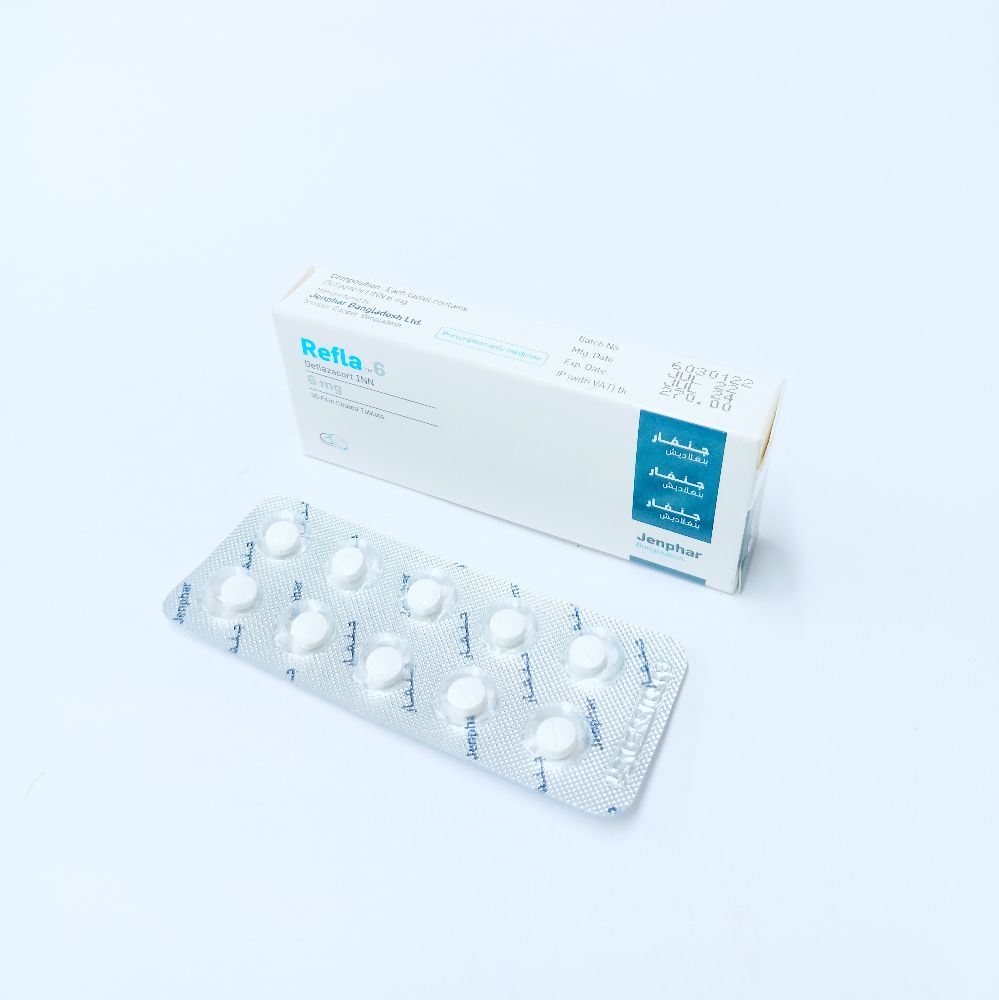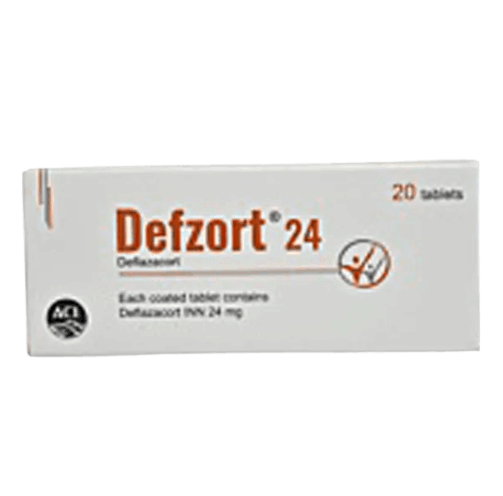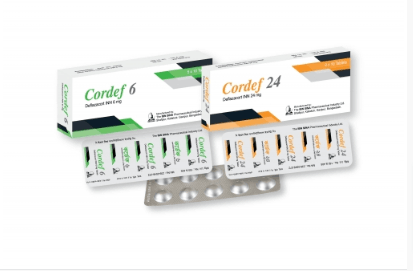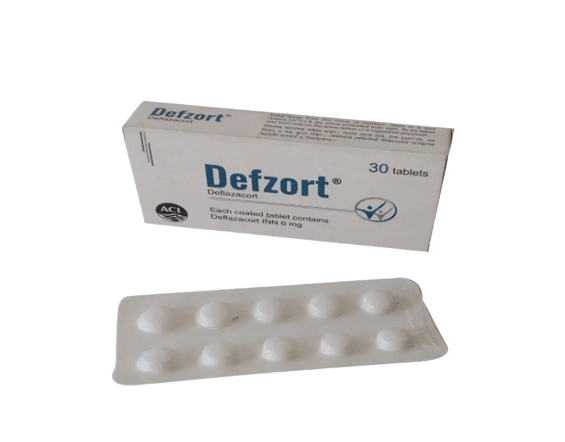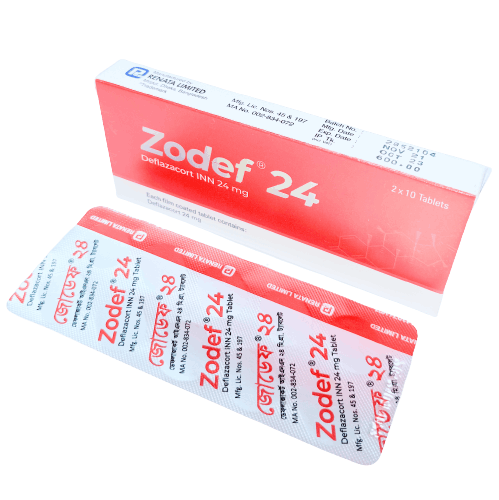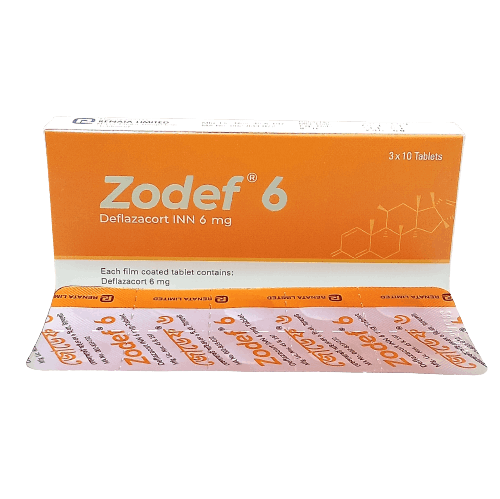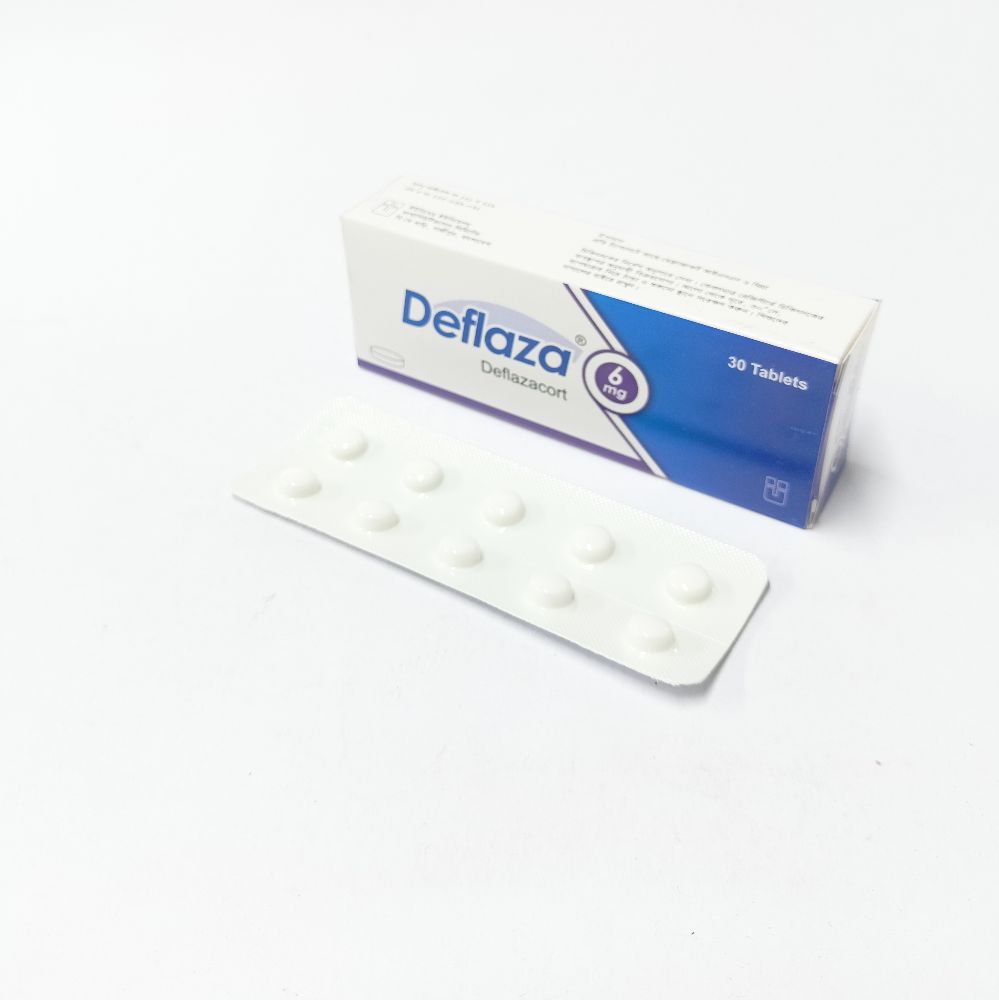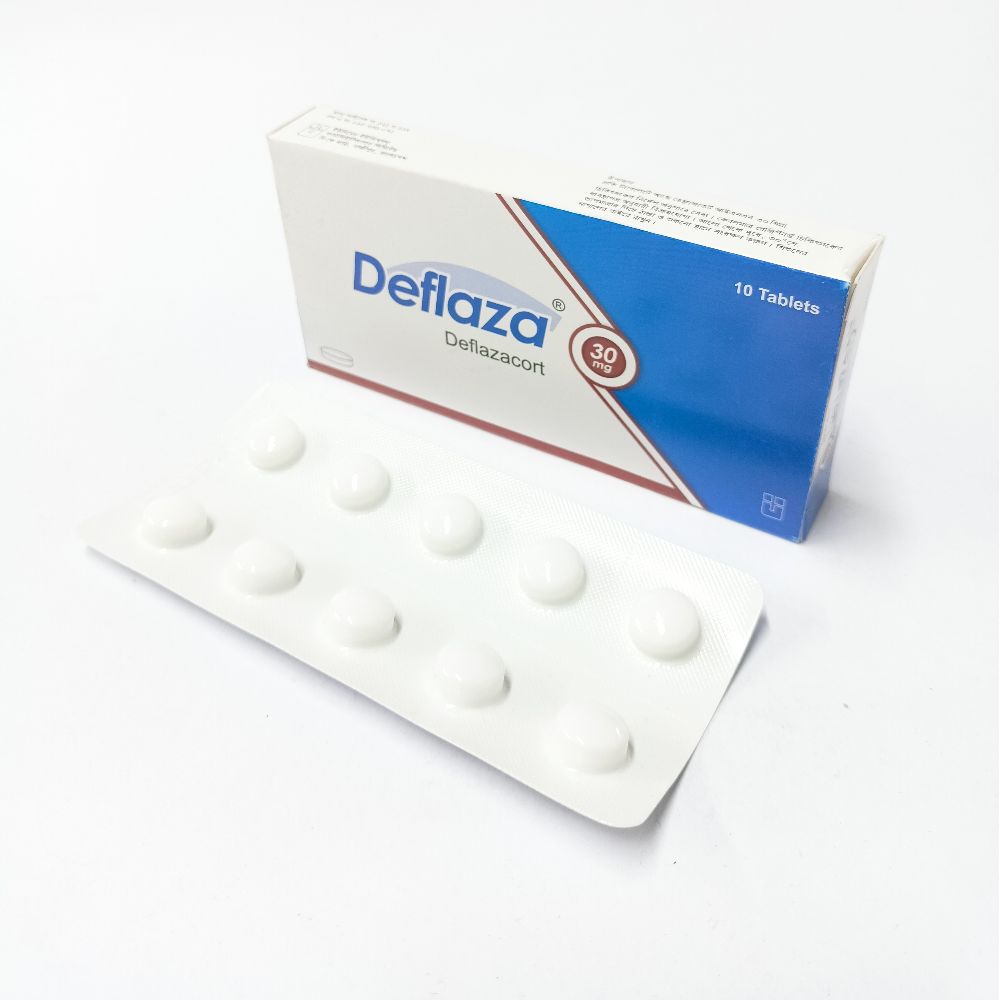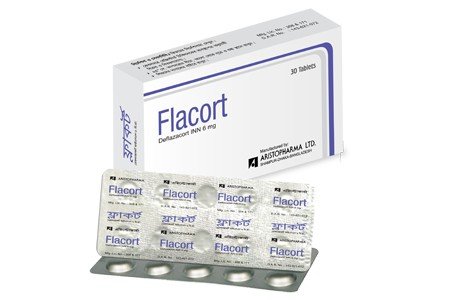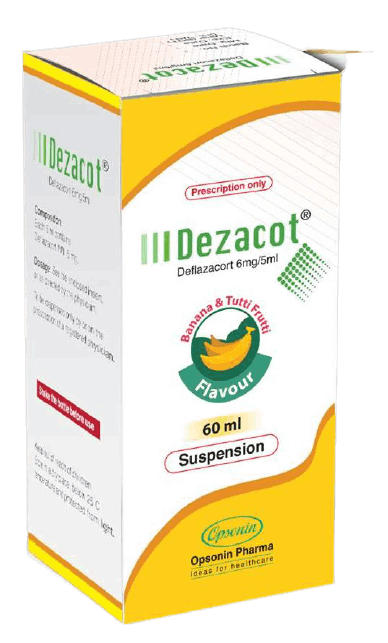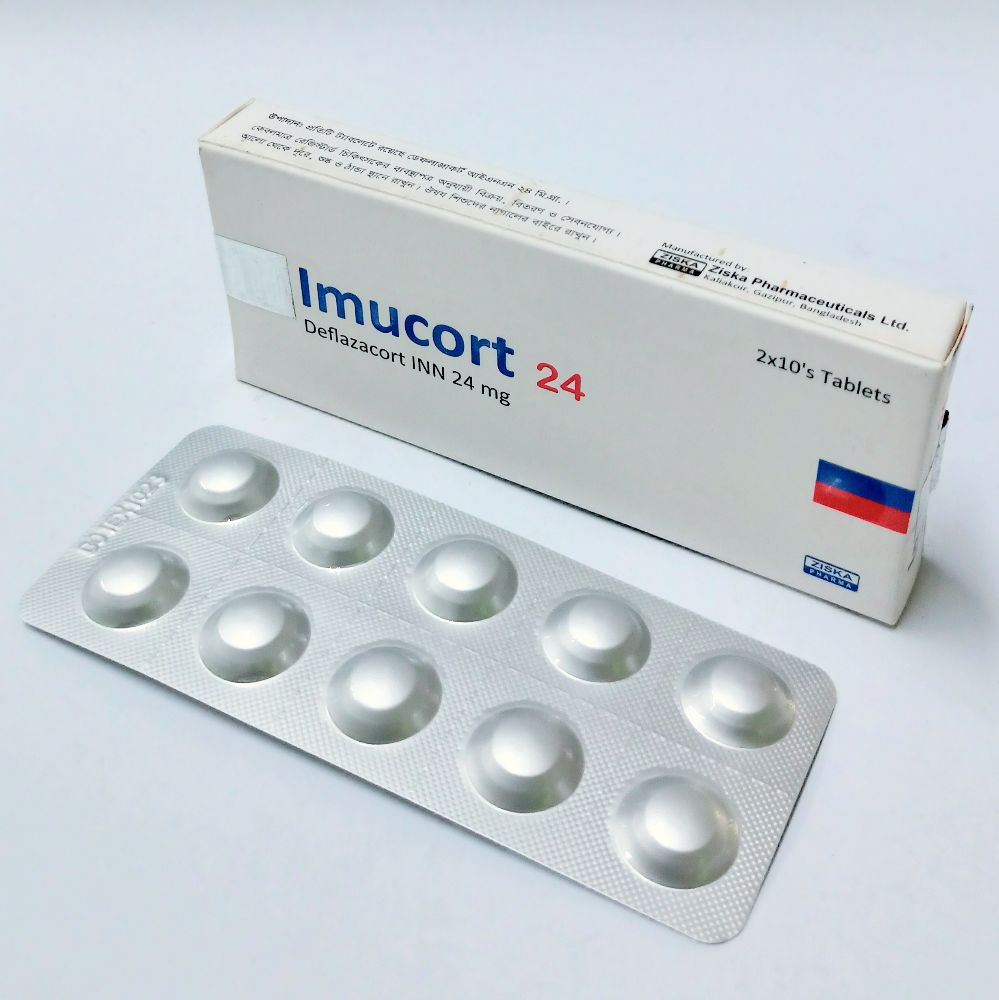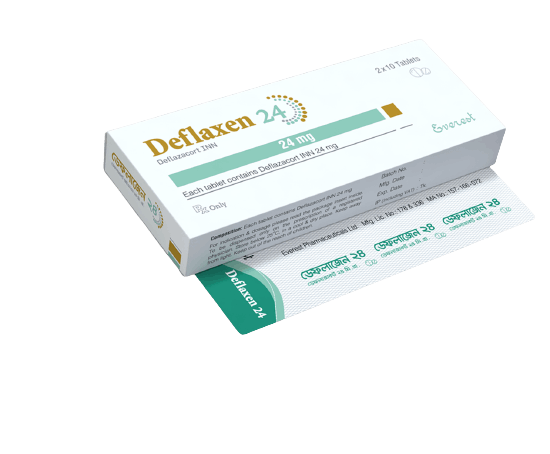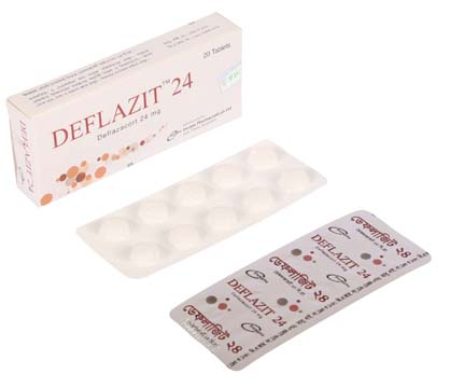
Deflazit 2424mg
Type:10 Tablets
Generic Name:Deflazacort
Manufacturer:Incepta Pharmaceuticals Ltd.
Price:৳300.00
Indication
Allergic and inflammatory disorders
Adult Dose
Oral Allergic and inflammatory disorders Adult: Initially, up to 120 mg daily. Maintenance: 3-18 mg/day. Hepatic impairment: Dose reductions may be needed.
Child Dose
Oral Allergic and inflammatory disorders Child: 0.25-1.5 mg/kg/day given on alternate days.
Contraindication
Systemic infection; live virus vaccines in those receiving immunosuppressive doses.
Mode of Action
Deflazacort, derived from prednisolone, is a corticosteroid with mainly glucocorticoid activity. An anti-inflammatory dose of 6 mg deflazacort is equiv to 5 mg prednisolone.
Precaution
Adrenal suppression and infection, child, adolescents, elderly, history of TB and steroid myopathy, hypertension, recent MI, CHF, liver failure, renal impairment, DM and glaucoma (including family history), osteoporosis, corneal perforation, severe affective disorders, epilepsy, peptic ulcer, hypothyroidism, pregnancy and lactation.
Side Effect
GI disturbances, musculoskeletal, endocrine, neuropsychiatric, ophthalmic, fluid and electrolyte disturbances; susceptible to infection, impaired healing, hypersensitivity, skin atrophy, striae, telangiectasia, acne, myocardial rupture following recent MI, thromboembolism.
Pregnancy Category Note
Pregnancy Corticosteroids should be used during pregnancy only if the potential benefit justifies the potential risk to the fetus Infants born to mothers who have received substantial doses of corticosteroids during pregnancy should be carefully observed for signs of hypoadrenalism Lactation Systemically administered corticosteroids appear in human milk and could suppress growth, interfere with endogenous corticosteroid production, or cause other untoward effects Consider the developmental and health benefits of breastfeeding along with the mother’s clinical need for the drug, and any potential adverse effects on the breastfed infant from the drug or from the underlying maternal condition
Interaction
Antacids, ACE inhibitors, acetazolamide, adrenergic neuron blockers, antidiabetics, aspirin, barbiturate, ?-blockers, calcium-channel blockers, carbamazepine, carbenoxolone, cardiac glycosides, clonidine, coumarins, diazoxide, diuretics, erythromycin, hydralazine, ketoconazole, methotrexate, methyldopa, mifepristone, minoxidil, moxonidine, nitrates, nitroprusside, NSAIDs, oestrogens, phenytoin, primidone, rifamycins, ritonavir, somatropin, ?2 sympathomimetics, theophylline, vaccines.